





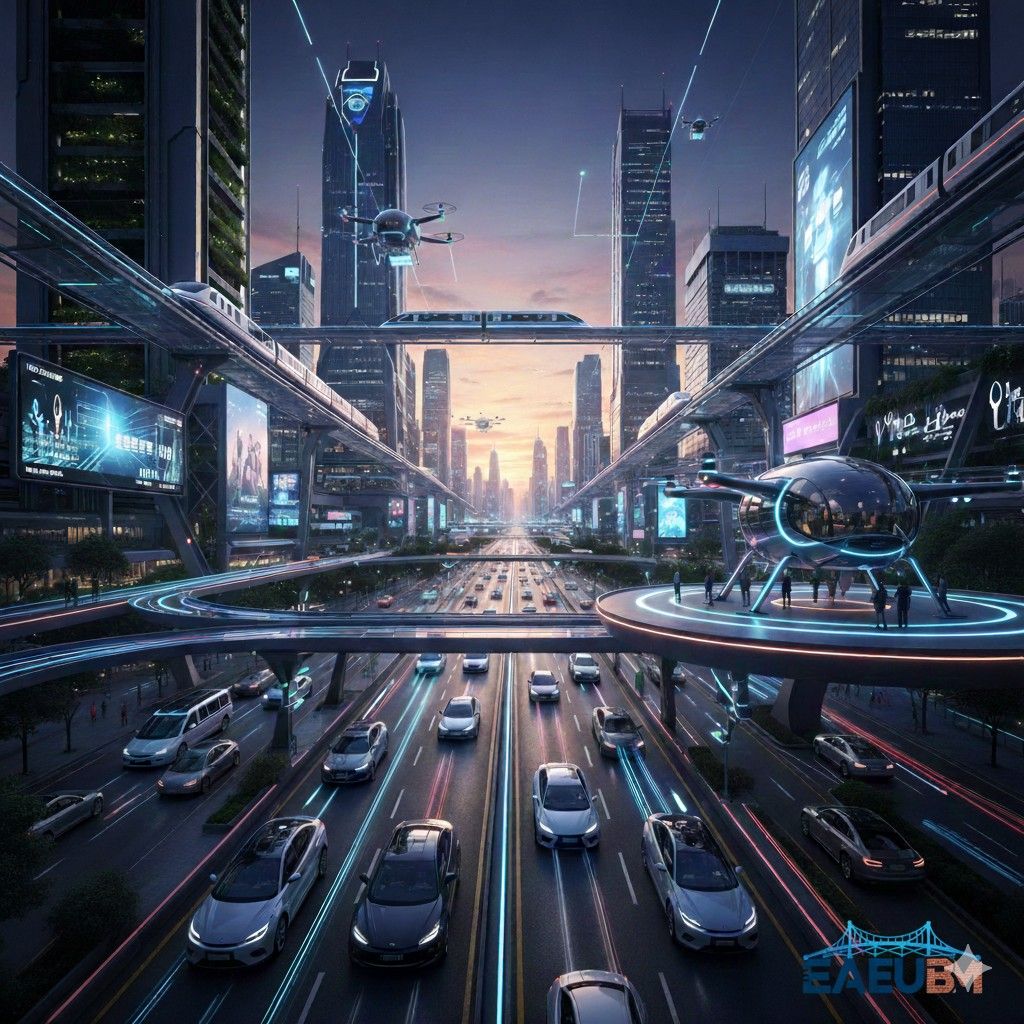
The role of new technologies in optimizing routes and reducing transit costs.
The transportation and logistics industry, considered the backbone of global trade, is on the brink of a major transformation. The adoption of digital technologies and the concept of smartification are revolutionizing the traditional processes of building material transit, bringing efficiency, transparency, and cost reduction. In today’s world, it is impossible to compete without leveraging digital tools in logistics.
1. The Digital Revolution in Transportation Logistics
The digitalization of logistics processes means using software platforms, the Internet of Things (IoT), Artificial Intelligence (AI), and blockchain to manage data, optimize operations, and eliminate paper documentation. This transformation is especially critical in the field of building material transit, which often involves high volume and a need for timely precision.
Keywords: Digital, Logistics, Transportation
2. Smartification of Routes and Cost Reduction
One of the most significant advantages of digitalization is the capability for smartification and optimization of transportation routes, which directly leads to reduced transit costs.
| Smartification Technology | Impact on Logistics and Material Transit |
| Internet of Things (IoT) | Installation of sensors on transportation vehicles and cargo for real-time tracking of location, temperature, and environmental conditions. This enables risk management and precise communication of the transit status. |
| Artificial Intelligence (AI) and Machine Learning (ML) | Analyzing traffic data, weather, and road conditions to calculate the most optimal and fastest transportation routes and accurately predict the Estimated Time of Arrival (ETA). This optimization reduces fuel consumption and travel time. |
| Logistics Management Platforms | Digital systems that bring all stakeholders (manufacturer, transportation company, customs, and buyer) together on a single platform. This increases transparency and eliminates the need for manual, paper-based communication. |
Keywords: Smartification, Logistics, Transportation, Digital
3. Increased Transparency and Efficiency in the Transit Process
Digitalization not only optimizes routes but also improves the overall efficiency of the transit process:
- Paperless Documentation Management: Use of electronic documents and blockchain to guarantee data integrity and security, and to accelerate customs and administrative procedures, which are often transit bottlenecks.
- Demand and Inventory Forecasting: By analyzing digital data, logistics companies can more accurately predict future demand for materials and optimize inventory and warehousing management.
- Higher Security: Smartification provides 24/7 monitoring of shipments, reducing the risk of theft or damage to goods during transportation.
4. The Future of Material Transportation: Fully Smart and Connected
The digitalization of logistics is not a passing trend but a new standard in the transportation industry. In the future, we will see increased use of autonomous trucks, surveillance drones, and fully integrated logistics systems that will make material transit management a fully smart, cost-effective, and reliable operation. Investing in digital technologies is the key to success in transportation logistics in the modern era.