





Window Profiles:
The Backbone of Insulation and Aesthetics in Modern Buildings
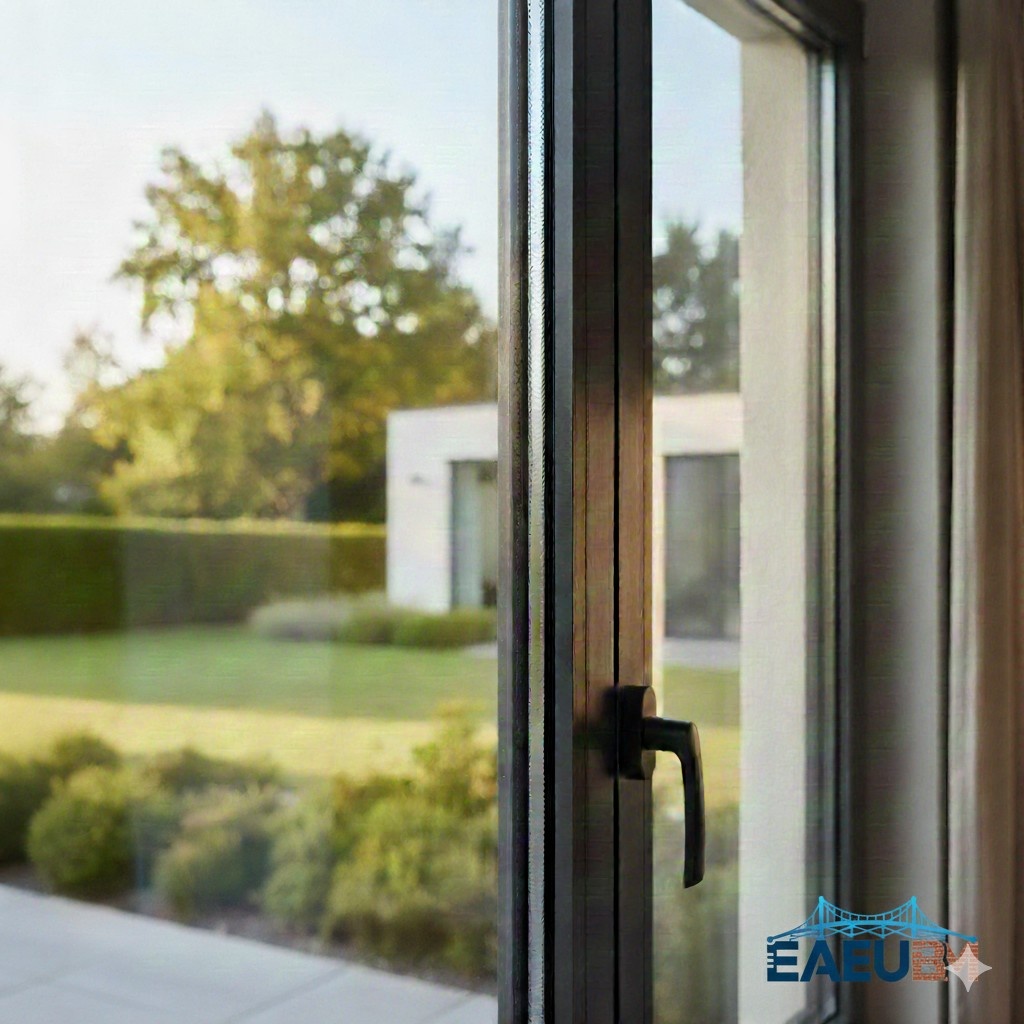
A window profile, often referred to as a window frame, is the structural core of every door and window, playing a role that extends beyond that of a simple frame. These elements directly affect the overall performance of a building in terms of thermal and acoustic insulation, durability, security, and aesthetics. In recent decades, with the emergence of new materials, traditional iron and wooden profiles have been replaced by more advanced systems such as UPVC and thermal break aluminum profiles.
1. Classification of Profiles by Material
Window profiles are divided into four main categories based on the material used, each with its own advantages and limitations:
a. UPVC Profiles (Unplasticized Polyvinyl Chloride)
These profiles are the most commonly used in residential and commercial construction.
- • Key Benefits:
- Excellent Insulation: Due to its non-conductive structure, UPVC offers outstanding thermal and acoustic insulation, significantly reducing energy consumption in a building.
- High Resistance: It is resistant to rust, corrosion, moisture, and UV radiation.
- Easy Maintenance: No need for painting or special maintenance.
- • Limitations: Its structural strength is lower compared to metals, making it unsuitable for very large windows or curtain wall facades. To enhance strength, these profiles are often reinforced with galvanized metal.
b. Aluminum Profiles
Aluminum, known for its lightweight and high strength, is an ideal choice for modern designs and large-scale windows.
- • Types:
- Plain Aluminum: It has high thermal conductivity and is a poor insulator.
- Thermal Break Aluminum: This type improves insulation significantly by inserting a polyamide (insulating) layer between two aluminum profiles, cutting off thermal conductivity.
- • Key Benefits:
- Strength and Lightness: Allows for the construction of very large windows with intricate designs.
- Modern Appearance: High flexibility in coloring (anodizing and powder coating).
c. Steel Profiles
This type is one of the oldest and is still used in some projects today.
- • Advantages: Extremely high mechanical strength and lower initial cost.
- • Limitations: Poor thermal insulation, heavy weight, and high vulnerability to rust (requiring periodic painting). Its use in new buildings is now very limited.
d. Wooden Profiles
Wooden profiles are often made from hardwood or thermowood.
- • Advantages: Natural beauty, warmth, and relatively good thermal insulation.
- • Limitations: High cost, regular maintenance needed (to prevent decay and insect infestations), and lower dimensional stability against moisture (except for thermowood).
2. Key Components of a Window Profile
A modern window profile system consists of several parts, each serving a specific purpose:
- • Frame Profile: This main frame forms the outer boundary of the window and attaches to the wall.
- • Sash Profile: The frame that holds the glass and allows the window to open and close.
- • Mullion Profile: A vertical or horizontal column that divides the window into sections and increases the structural strength.
- • Glazing Bead: Small pieces of profile that hold the glass firmly in place within the sash or frame.
- • Frame-to-Frame Connection Profile: Used to connect two window units in a row or at an angle.
3. The Role of Profiles in Enhancing Building Performance
Choosing the right profile has a vital impact on a building’s overall performance:
- • Thermal Insulation: The multi-chamber structure of UPVC or thermal break aluminum profiles blocks the flow of heat, helping maintain a comfortable indoor temperature. This directly reduces heating and cooling costs.
- • Acoustic Insulation: The profile’s chambered design, along with EPDM seals and double or triple glazing, significantly reduces external noise, ensuring interior peace and quiet.
- • Waterproofing and Airproofing: High-quality profiles, with precision manufacturing and standard sealing systems, prevent rainwater, dust, and wind from entering the building.
- • Security: Profiles with channels for placing galvanized reinforcements and multi-point hardware increase the window’s resistance to forced entry.
Conclusion
Window profiles have evolved from simple structural components into engineered systems that form the backbone of thermal and acoustic performance in modern buildings. Today, UPVC is considered the best option for affordable insulation, while thermal break aluminum profiles provide the ideal balance between structural strength, modern design, and thermal performance for large-scale projects. The selection of a profile type should always be made considering the local climate, required window dimensions, and the aesthetic and budgetary requirements of the project.
For more information about the rules and costs related to exports, imports, supply of goods, and receiving advice, you can call +37495447044
To view related products, please visit the Eurasia store website.